
Bled can be beautiful even in November
Take an autumn walk beside Lake Bled, discover the stories of its island, castle and villas, and finish the day with cream cake.
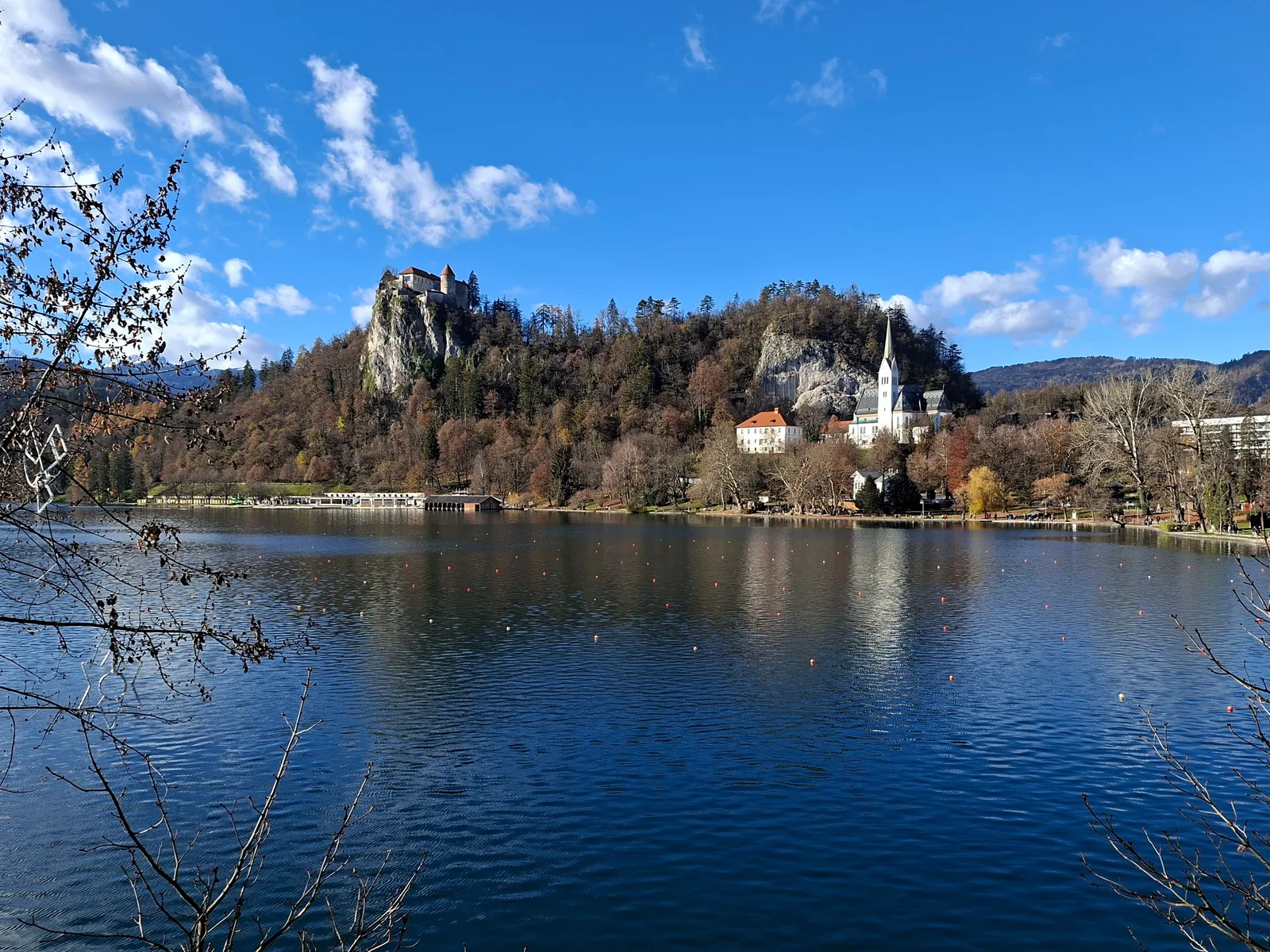
Walk beside the blue lake
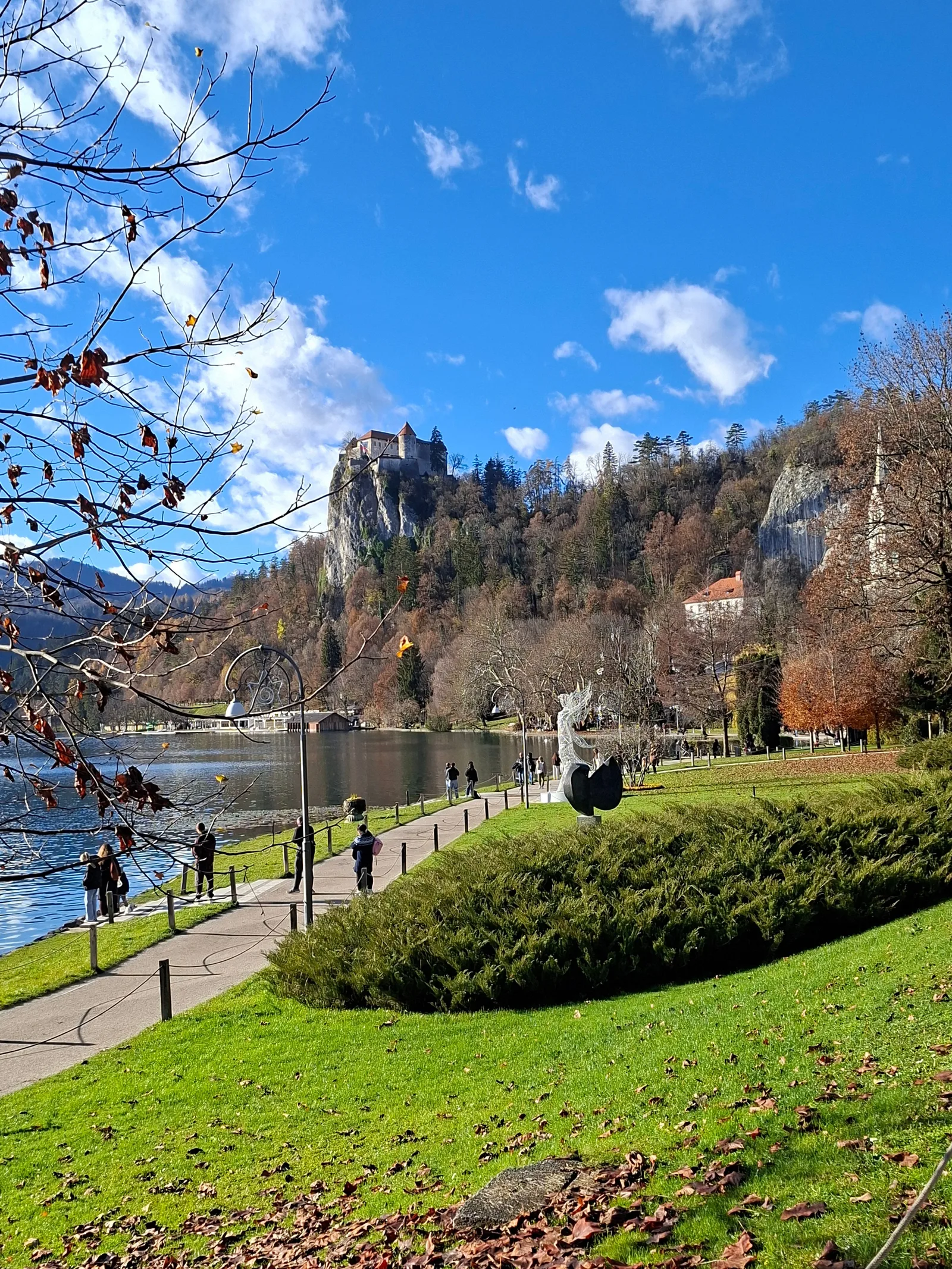
Wrap up warmly and take the path beside the lake. November sunshine casts long shadows, while thinning tree canopies reveal views that are easier to miss in summer.
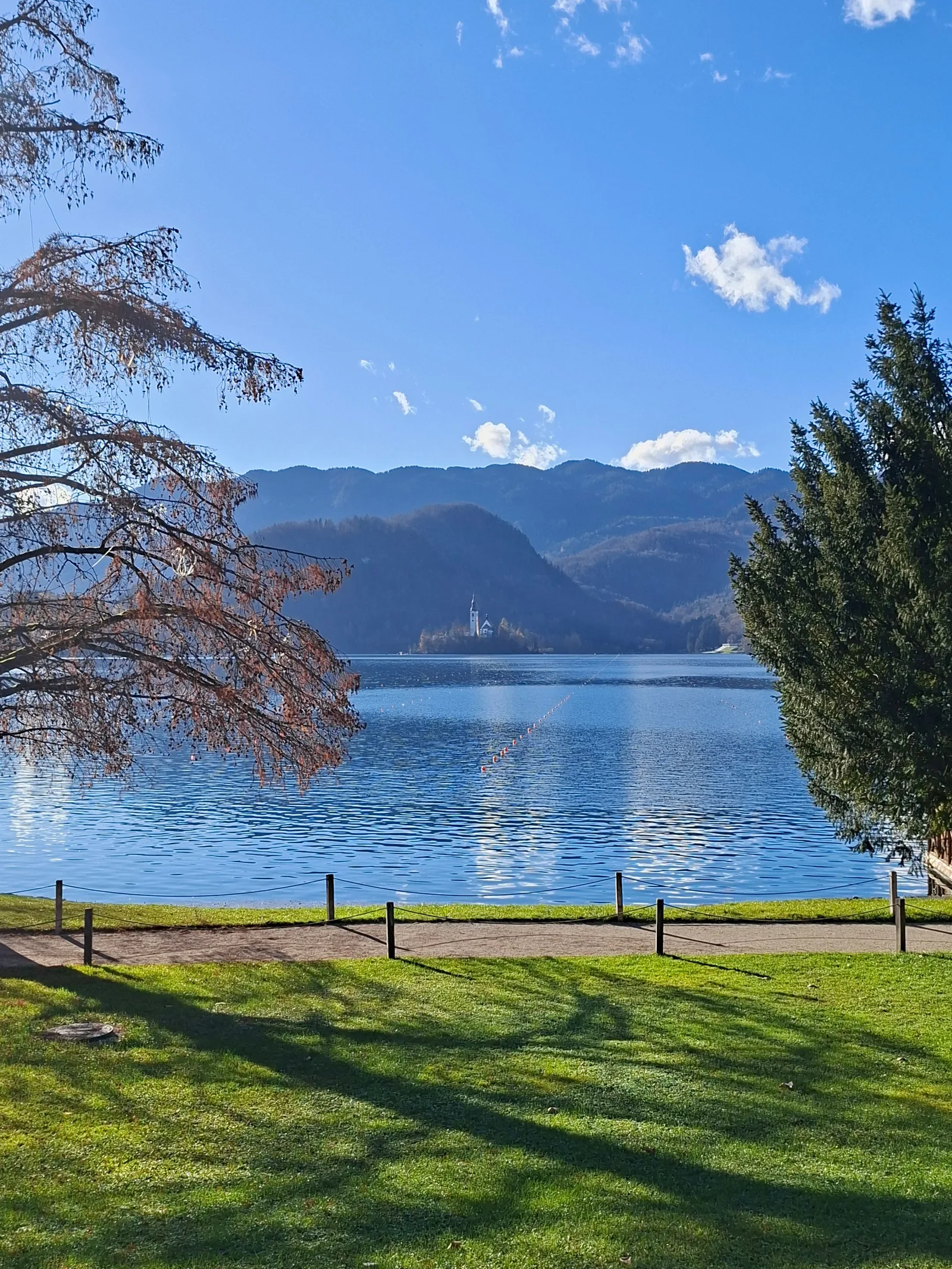
Look at the castle on its rock and the island, then take time for the church below the castle, the walking paths and villas among the trees. Discover traces of early inhabitants, spa life and visiting statesmen.

Look beneath the island church floor
In the Church of the Mother of God on Bled Island, look through the glass in the floor: remains of early medieval graves are visible below. Burial grounds and settlement remains at Pristava beneath the castle also tell the story of early medieval Slavs. These discoveries give the familiar landscape a much longer history. Looking beneath today’s floor offers a different sense of time from looking towards the bell tower; the island’s story began long before its present appearance.
A pre-Christian sanctuary on the island remains a hypothesis. In The Baptism at the Savica, France Prešeren placed a temple to the goddess Živa here; his poetic image has strongly shaped perceptions of Bled. Discover that story too, while distinguishing literary tradition from archaeological evidence.
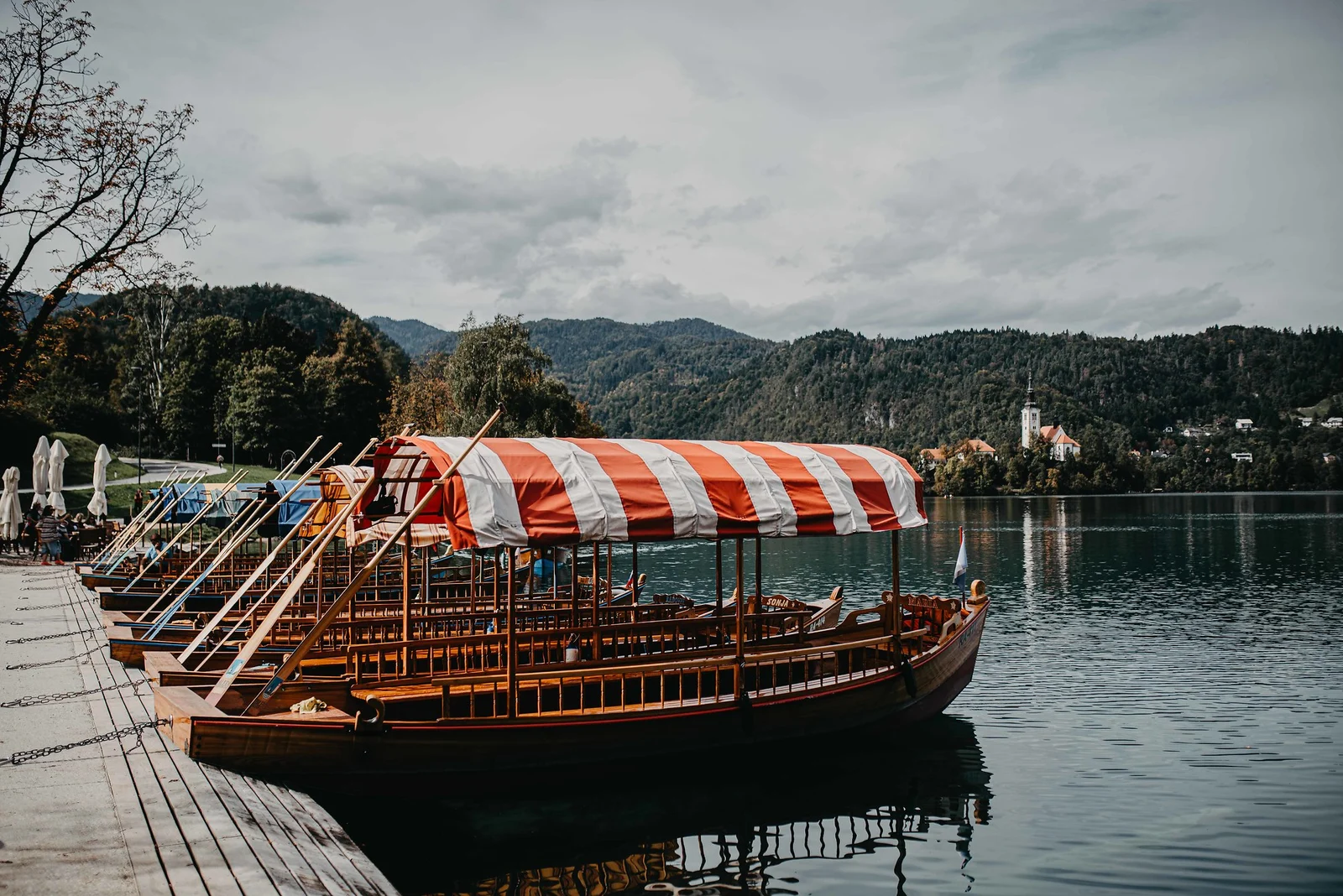
Two oars, 99 steps and a sunken bell
From the shore, watch a pletna boatman standing at the stern and guiding the boat towards the island with two oars. Behind the calm movement are years of practice and a family tradition. According to local tradition, Maria Theresa granted 22 Bled families the right to transport pilgrims. From the southern landing, climb the 99 steps towards the church and look back at the water.
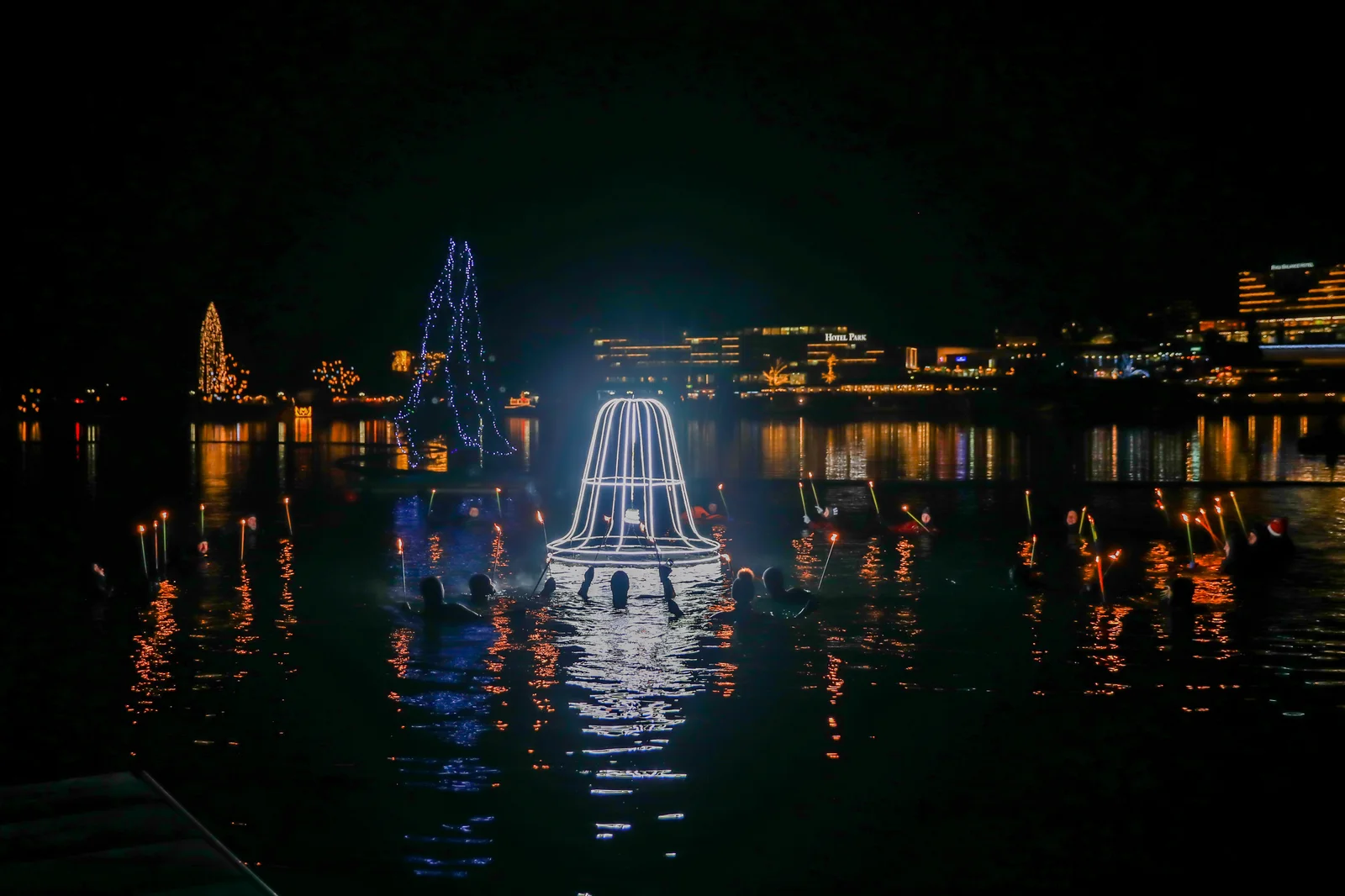
At the church, listen to the legend of the widow Poliksena. After her husband’s death, she commissioned a bell for the island, but the boat and bell sank in a storm during the crossing. Poliksena is said to have entered a convent in Rome; after hearing her sad story, the pope gave the island a new bell. The legend connects her loss with today’s wishing bell. The bell in the depths remains part of a story that adds to the lake’s mystery.
How Bled became a Brixen estate
Look towards the castle: its story leads to Brixen, today’s Bressanone in South Tyrol. In 1004, Henry II, then king and later emperor, gave the Bled estate to Bishop Albuin and the Diocese of Brixen. This began a long period of episcopal landownership.
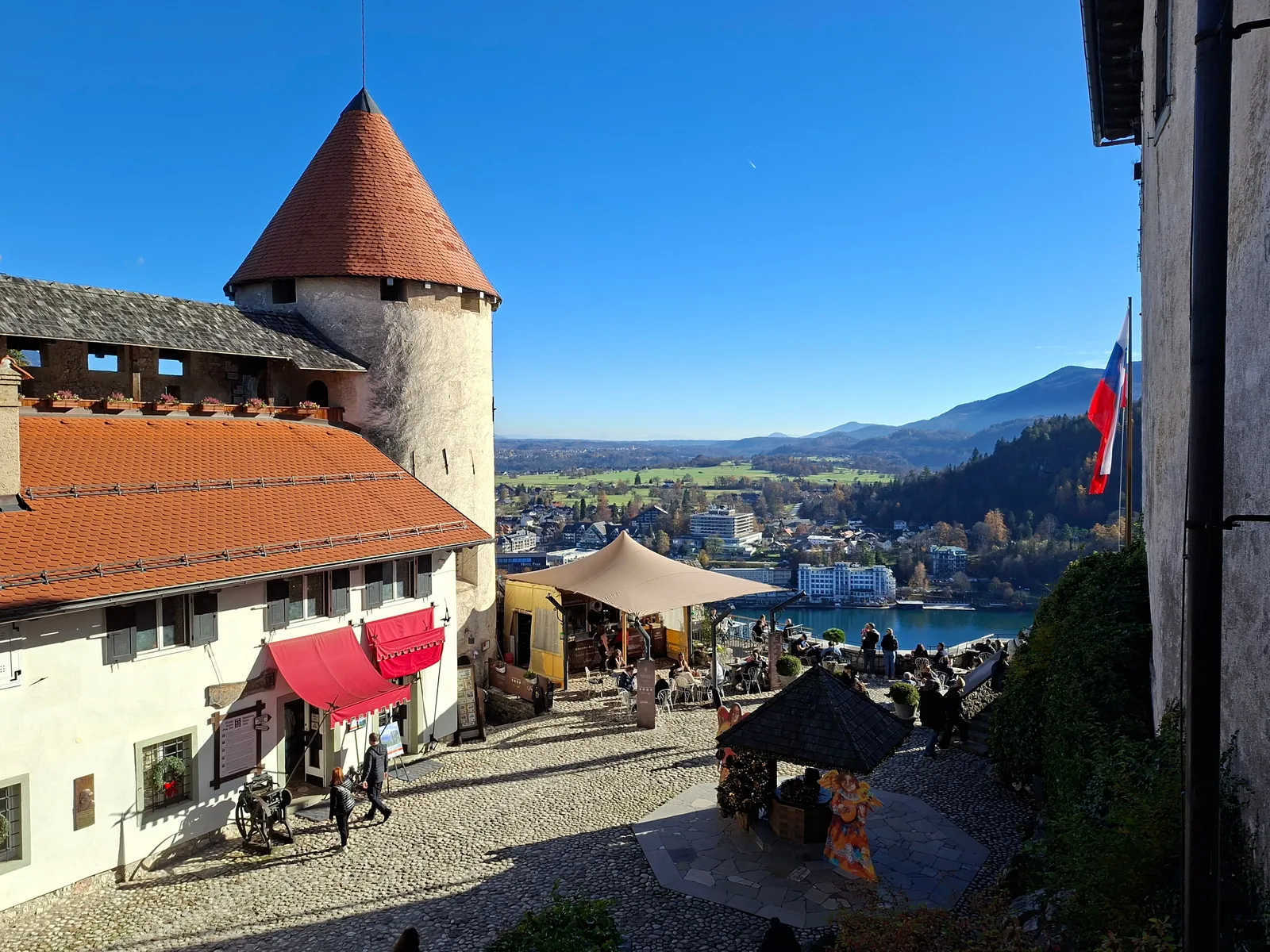
The castle was first mentioned in writing in 1011. Keep the dates distinct: the first marks the estate grant, the second the castle’s earliest known written mention. In the courtyard, take time to notice traces of its long history.
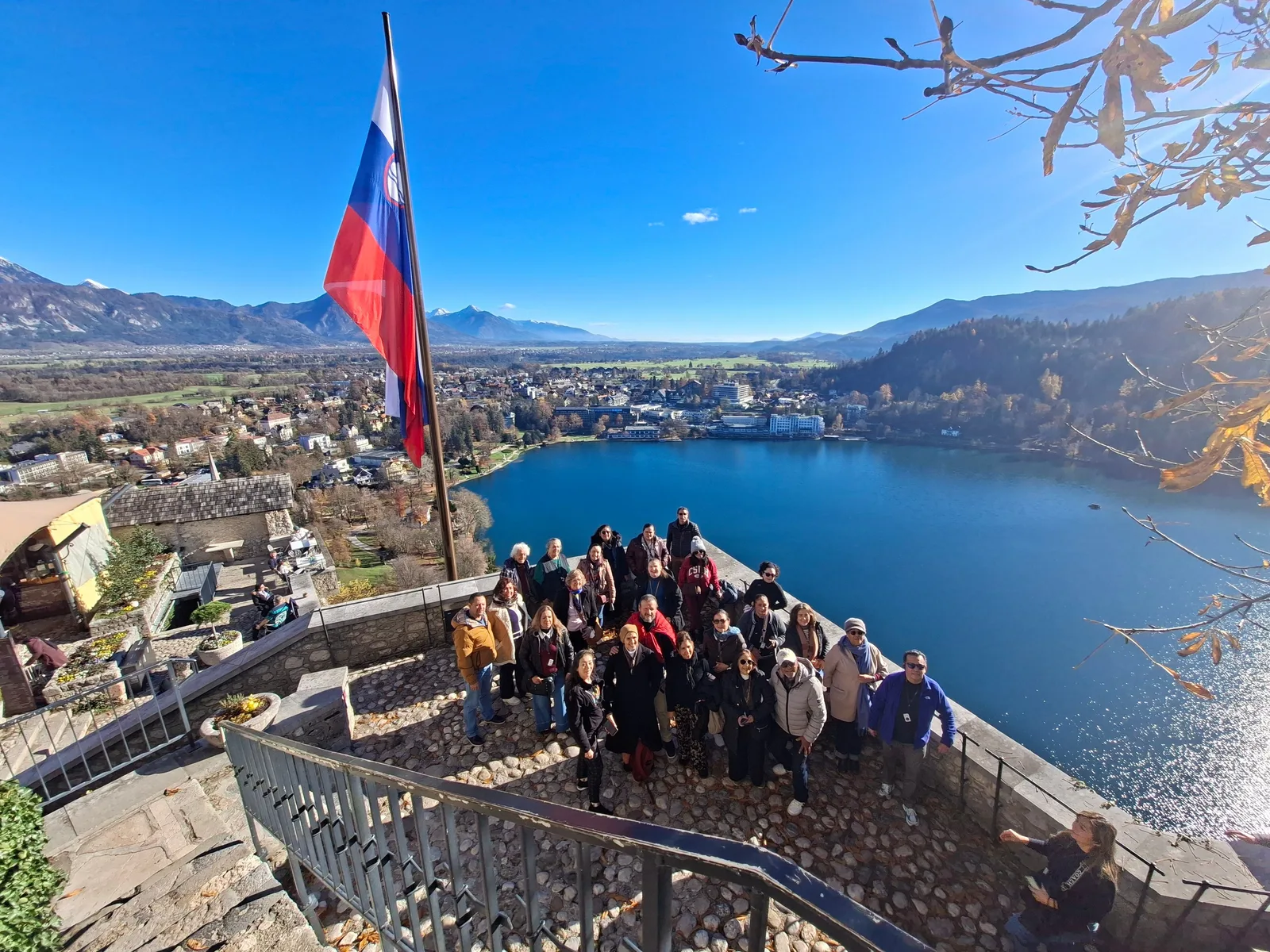
If you extend your walk uphill, stop on the castle terrace. Looking across the lake and town helps explain why this rock shaped Bled’s appearance for centuries.
Rikli’s Bled and Villa Zora
In the 19th century, Bled also became known as a spa resort. Swiss healer Arnold Rikli advocated air and sun baths, exercise and a regulated diet. His guests rose early and walked in the surrounding countryside. This historical spa culture played an important part in tourism’s development; the lakeshore still invites an active day. Explore Rikli’s ideas as part of the history of a resort that attracted visitors from further afield.
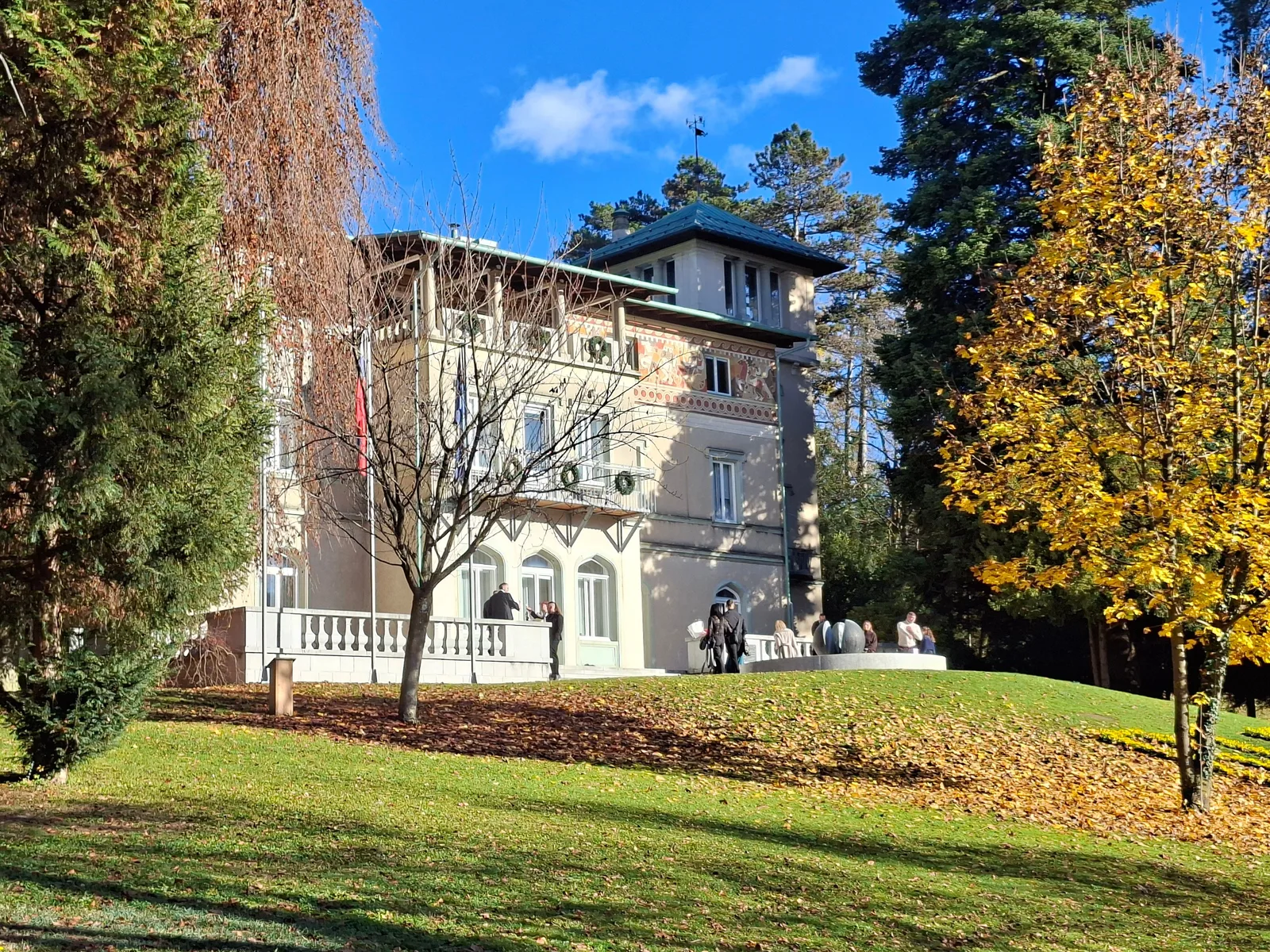
At Villa Zora, stop beside the autumn park. Built in 1853 for Trieste merchant Karl Rittmayer, it is a fine example of local resort architecture. Today it houses Bled’s municipal offices. Golden leaves before the façade complete this glimpse of the town’s holiday-resort past.
From Plečnik’s royal vision to Tito’s guests
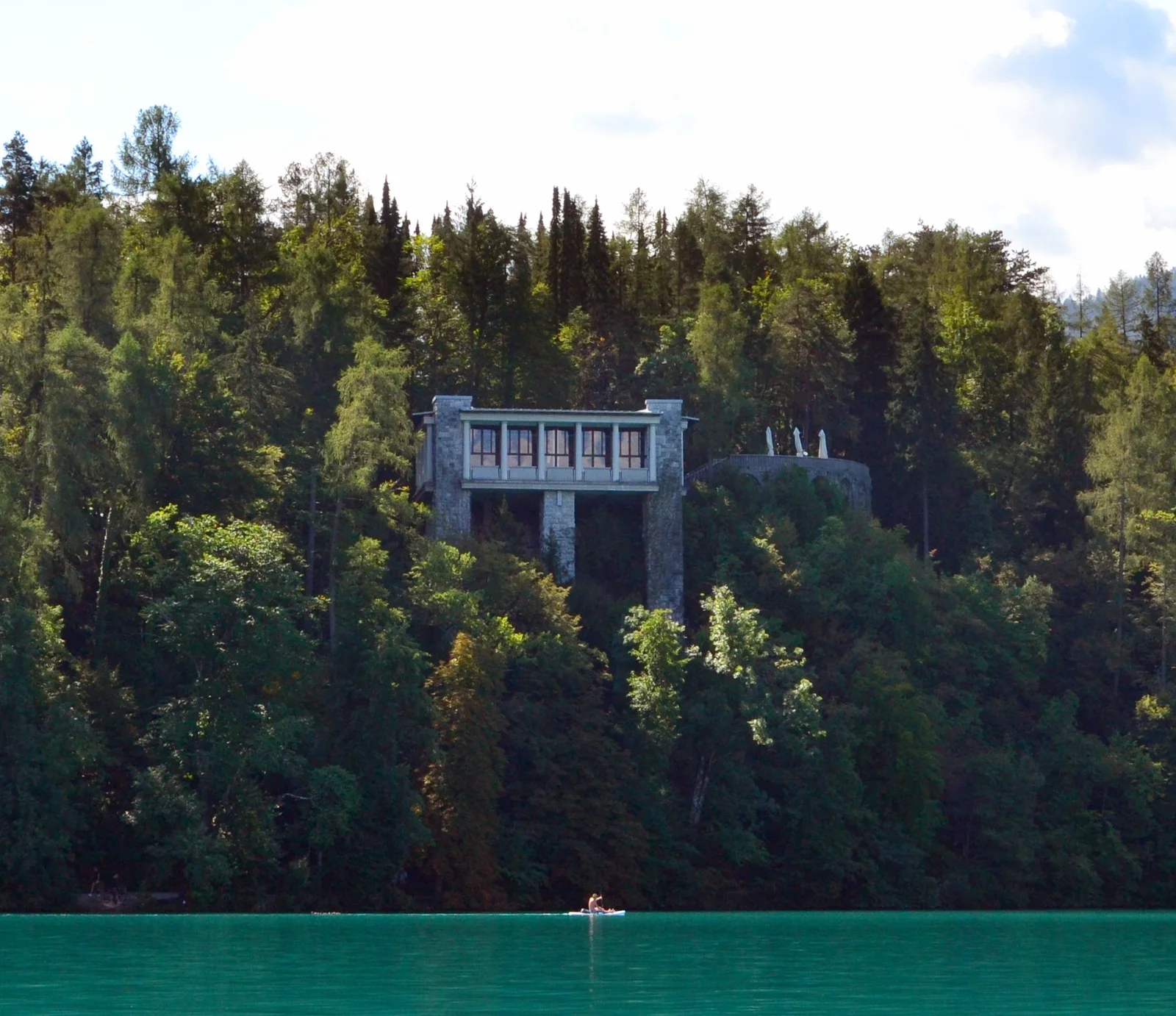
At St Martin’s Church, find the shrine designed by Plečnik. Then turn towards Belvedere above the lake: Jože Plečnik conceived it as a waiting room for audiences with King Alexander Karađorđević, alongside a planned new royal residence. The scheme was never fully realised. Its imposing pillars predate the war, while the present pavilion was built afterwards.
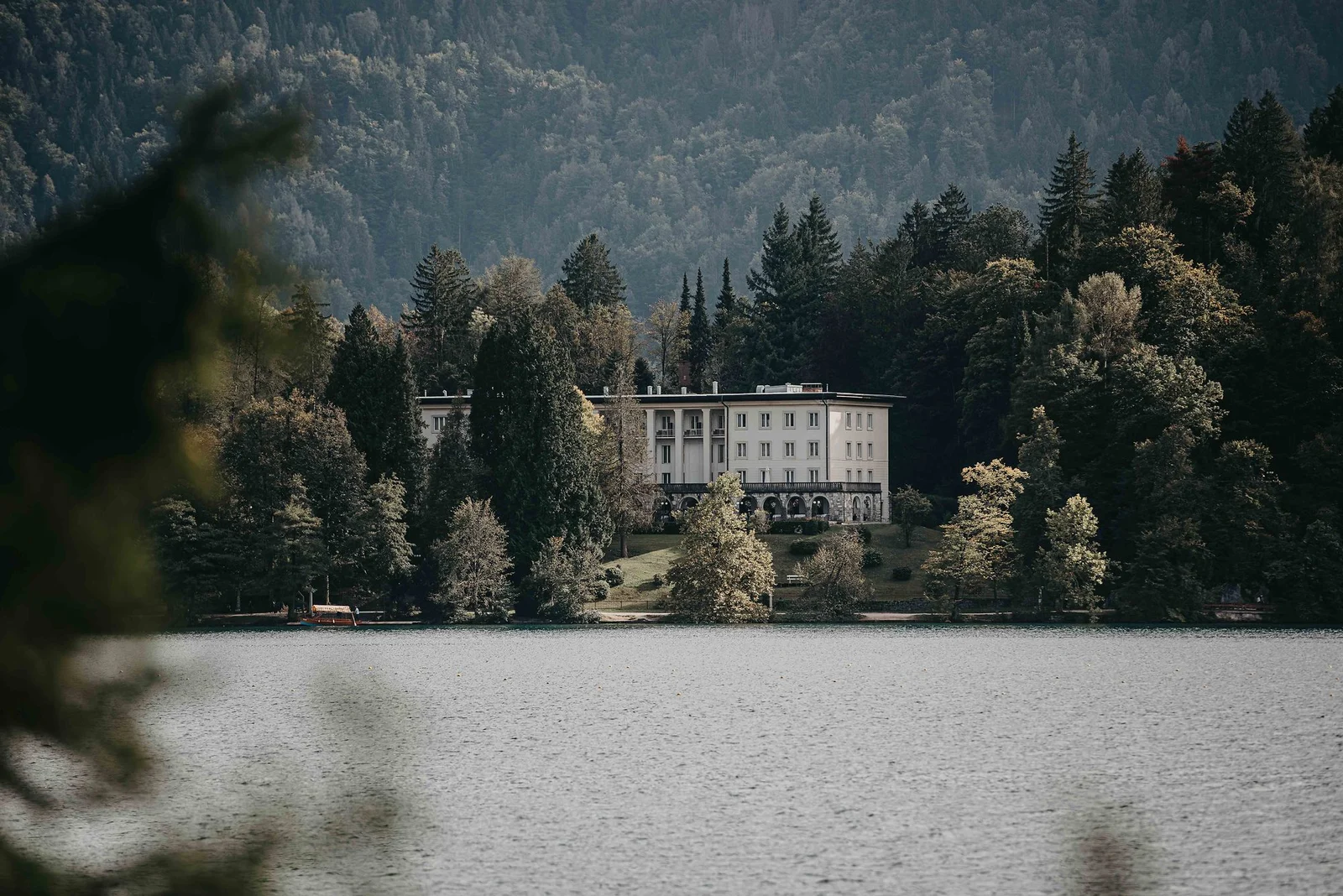
Nearby Villa Bled became Josip Broz Tito’s summer residence. Its guests included Kim Il Sung, then leader of North Korea, Indira Gandhi, Nikita Khrushchev and Gamal Abdel Nasser. The royal vision and later state visits connect the same stretch of shore. Access to villa interiors is not automatically part of a walk; their exteriors already show how tourism, architecture and politics met here.
Finish with Bled cream cake
As the sun sinks lower, stop somewhere warm for Bled cream cake. Alongside the lake, island and villas, you have discovered some of the stories behind the postcard.
Explore Bled at your own pace and add Radovljica. Our private tour connects the views with local stories and leaves time for a pleasant break. See the details and booking options below.
Sources and visitor information
- Narodni muzej Slovenije: Pristava in zgodnjesrednjeveška grobišča: Look beneath the island church floor
- Turizem Bled: Church of the Mother of God on the Lake: Look beneath the island church floor
- Turizem Bled: Blejski otok je sveti kraj: Look beneath the island church floor
- Turizem Bled: Pletna: Two oars, 99 steps and a sunken bell
- Bled, podoba raja: Izročilo o pletnarjih: Two oars, 99 steps and a sunken bell
- Turizem Bled: Stezica na Blejskem otoku: Two oars, 99 steps and a sunken bell
- Blejski grad: Zgodovina: How Bled became a Brixen estate
- Turizem Bled: Spomenik Arnoldu Rikliju: Rikli’s Bled and Villa Zora
- Turizem Bled: Vile na Bledu: Rikli’s Bled and Villa Zora
- Turizem Bled: Cerkev sv. Martina: From Plečnik’s royal vision to Tito’s guests
- Turizem Bled: Kavarna Belvedere: From Plečnik’s royal vision to Tito’s guests
- Brdo: Kavarna Belvedere, zgodovina paviljona: From Plečnik’s royal vision to Tito’s guests
- Brdo: Vila Bled in državniški obiski: From Plečnik’s royal vision to Tito’s guests