
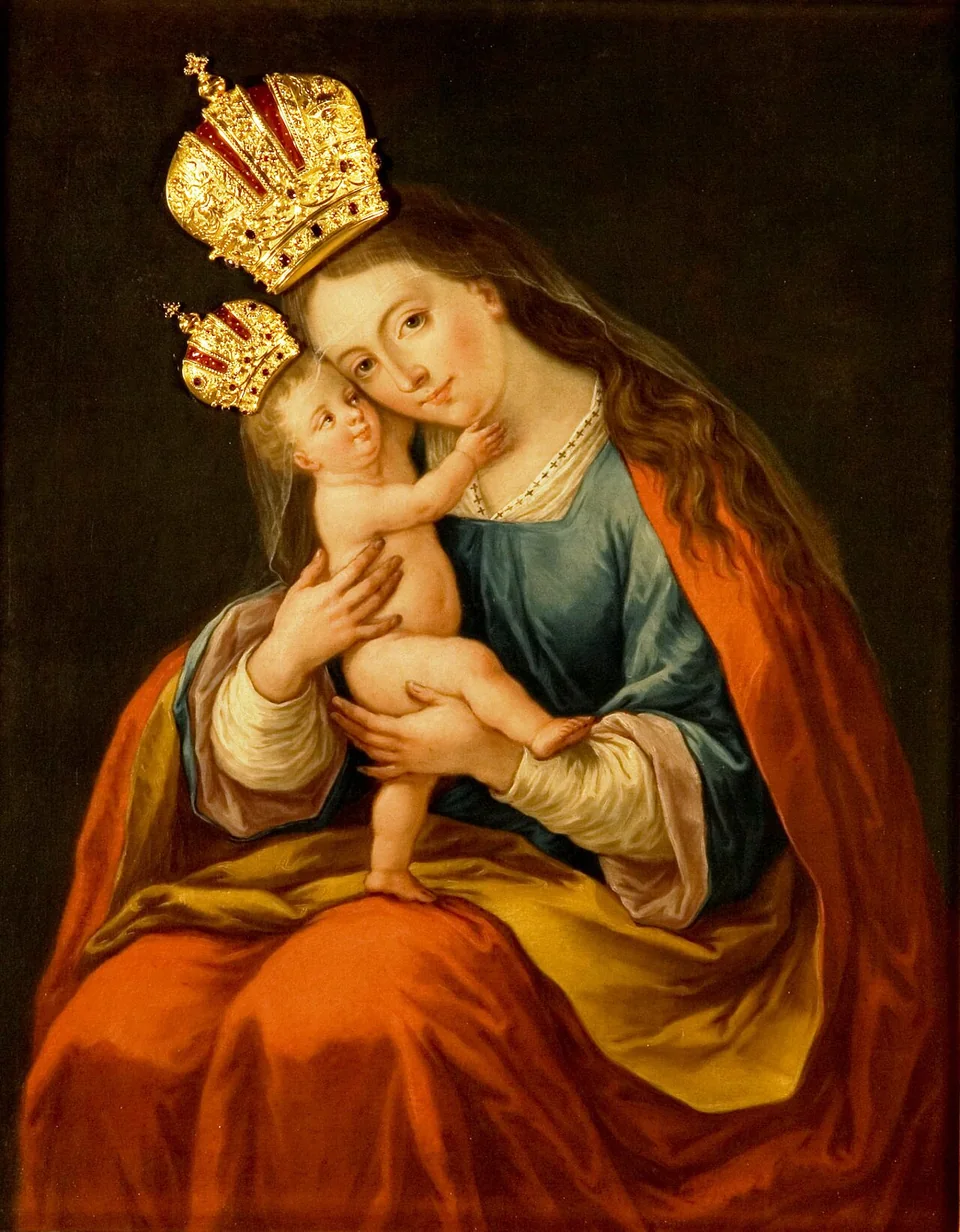
Brezje
The Basilica of Mary Help of Christians is Slovenia’s foremost Catholic pilgrimage centre. The devotion associated with its Marian image connects personal prayer with a wider national pilgrimage tradition.
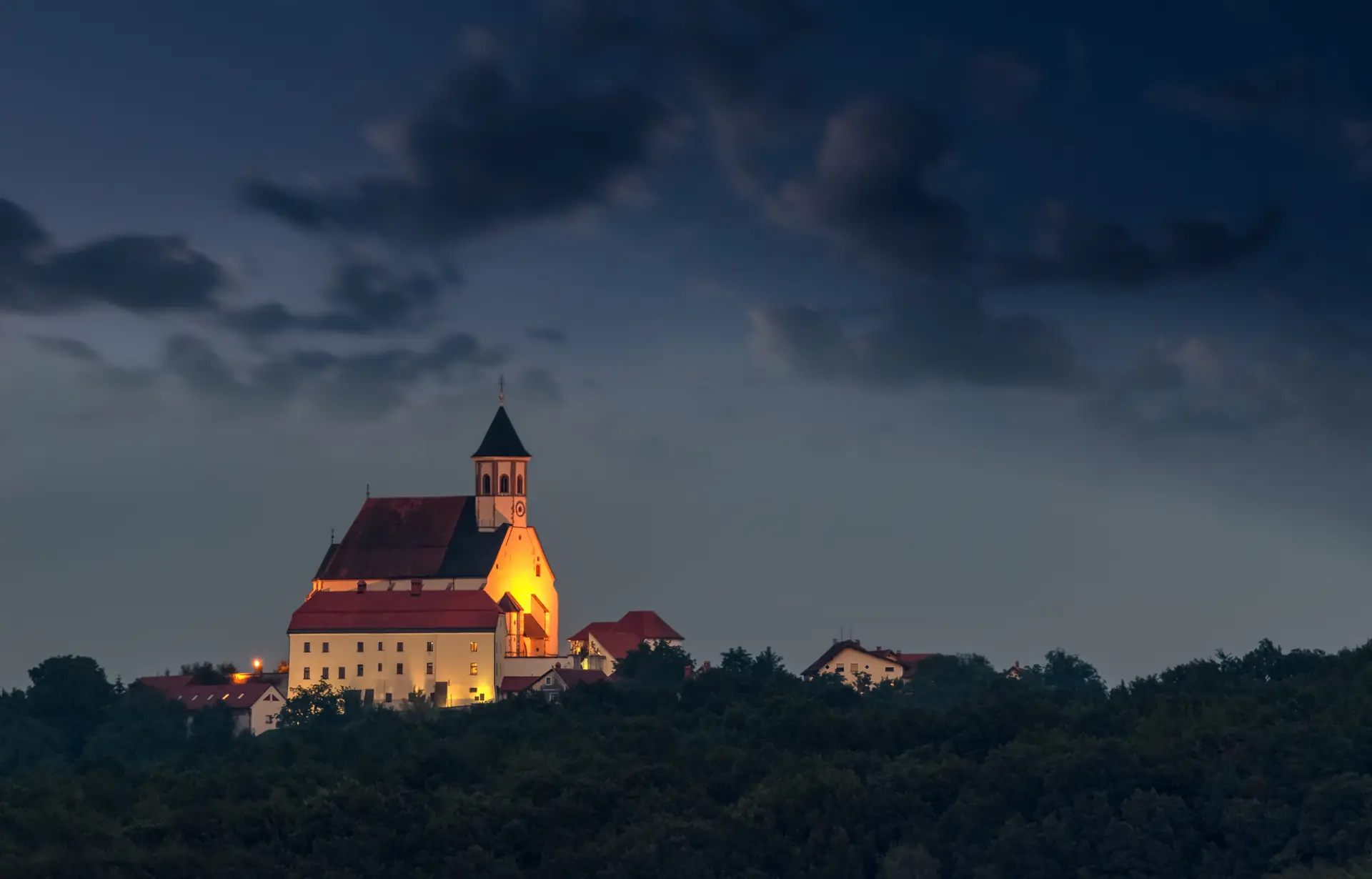
Vitamia
Discover Slovenian Christian heritage through centuries of history, art and spirituality.
Historically predominantly Catholic, Slovenia has a landscape and cultural identity deeply shaped by Christianity. Churches, monasteries, wayside chapels and pilgrimage shrines tell stories of towns and villages, sacred art, education, holidays and everyday customs.
The Protestant Reformation is another essential part of this history. In 1550, Primož Trubar published the first two books in Slovenian. Jurij Dalmatin’s Bible translation and Adam Bohorič’s first Slovenian grammar followed in 1584. Their work helped establish the Slovenian literary language and left an enduring cultural legacy.
These destinations offer different perspectives on Slovenia’s religious life. We plan visits around your interests and the practical arrangements of each community.
The Basilica of Mary Help of Christians is Slovenia’s foremost Catholic pilgrimage centre. The devotion associated with its Marian image connects personal prayer with a wider national pilgrimage tradition.
This Gothic pilgrimage church is celebrated for its image of Mary sheltering people beneath her cloak. Its sculpture and architecture make it a rewarding destination for pilgrims and lovers of medieval art.
Trips in Slovenia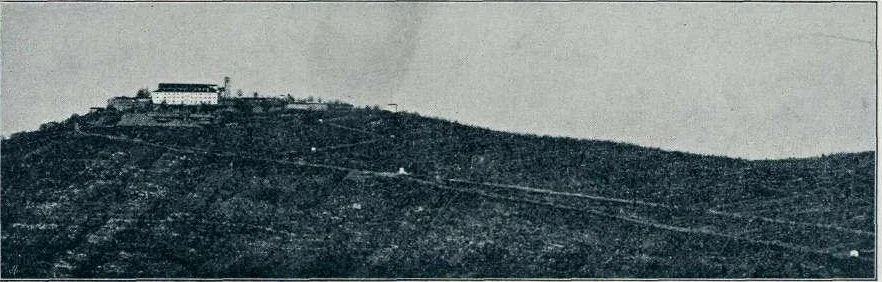
A Marian pilgrimage sanctuary above the Soča Valley, Sveta Gora brings together faith, borderland history and the memory of a region repeatedly changed by war.
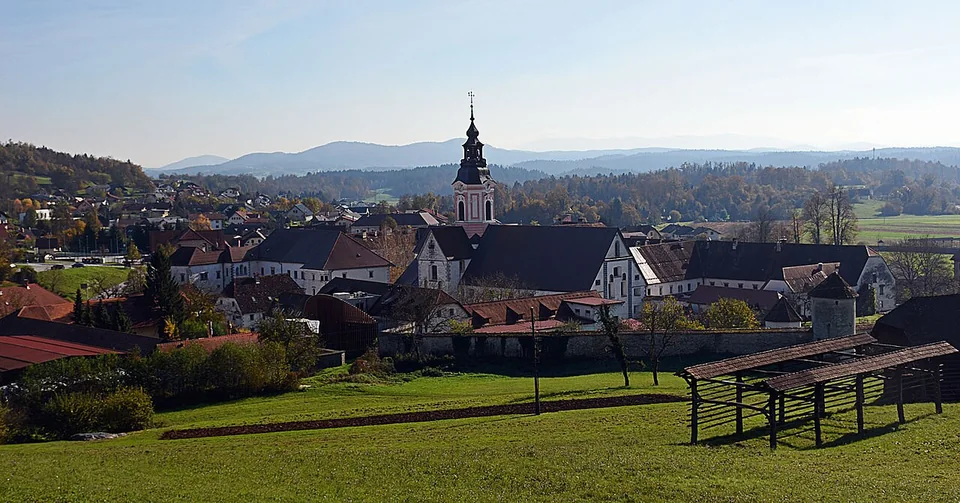
The Cistercian monastery is an important centre of Slovenian monastic heritage. Its setting invites an exploration of the relationship between prayer, learning, art and the surrounding countryside.
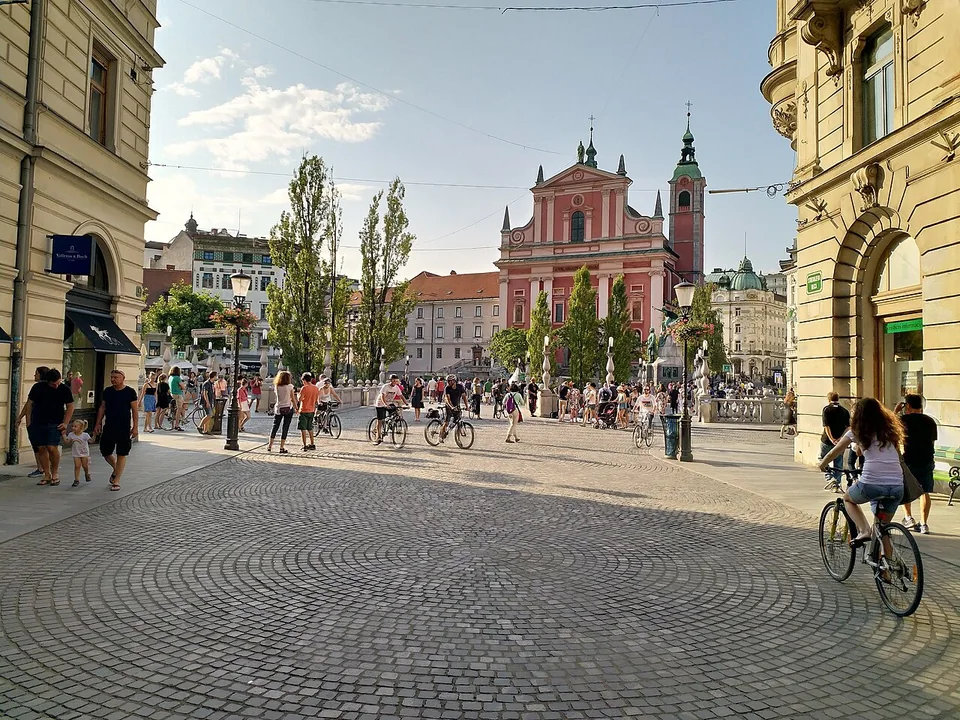
St Nicholas Cathedral and the Franciscan Church form part of the capital’s rich sacred landscape. A city walk connects church interiors and architecture with the history of the old town.
Trips in Slovenia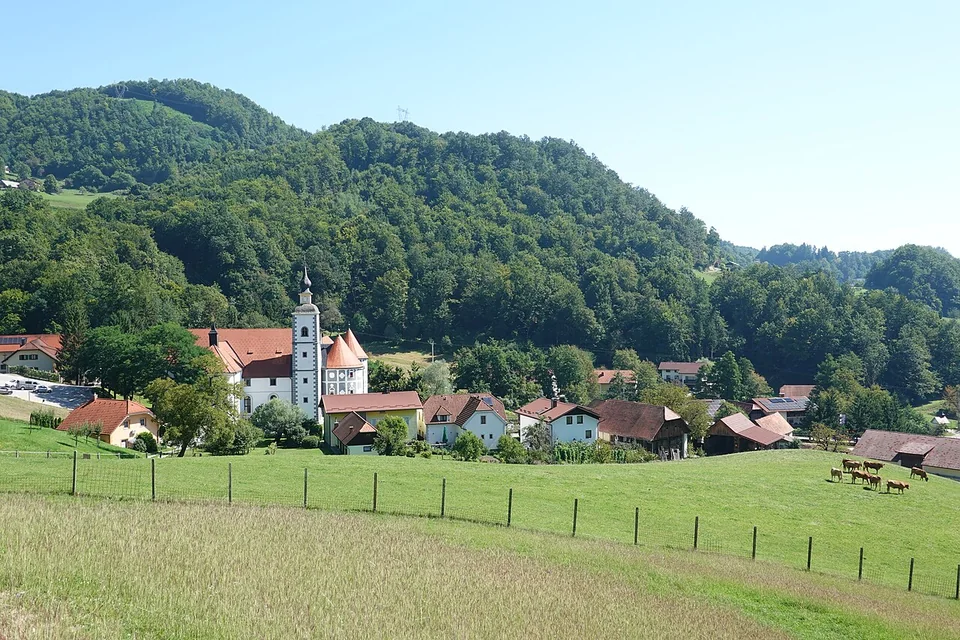
The Minorite monastery, historic pharmacy and Baroque heritage reveal connections between spiritual life, medicinal knowledge and artistic patronage.
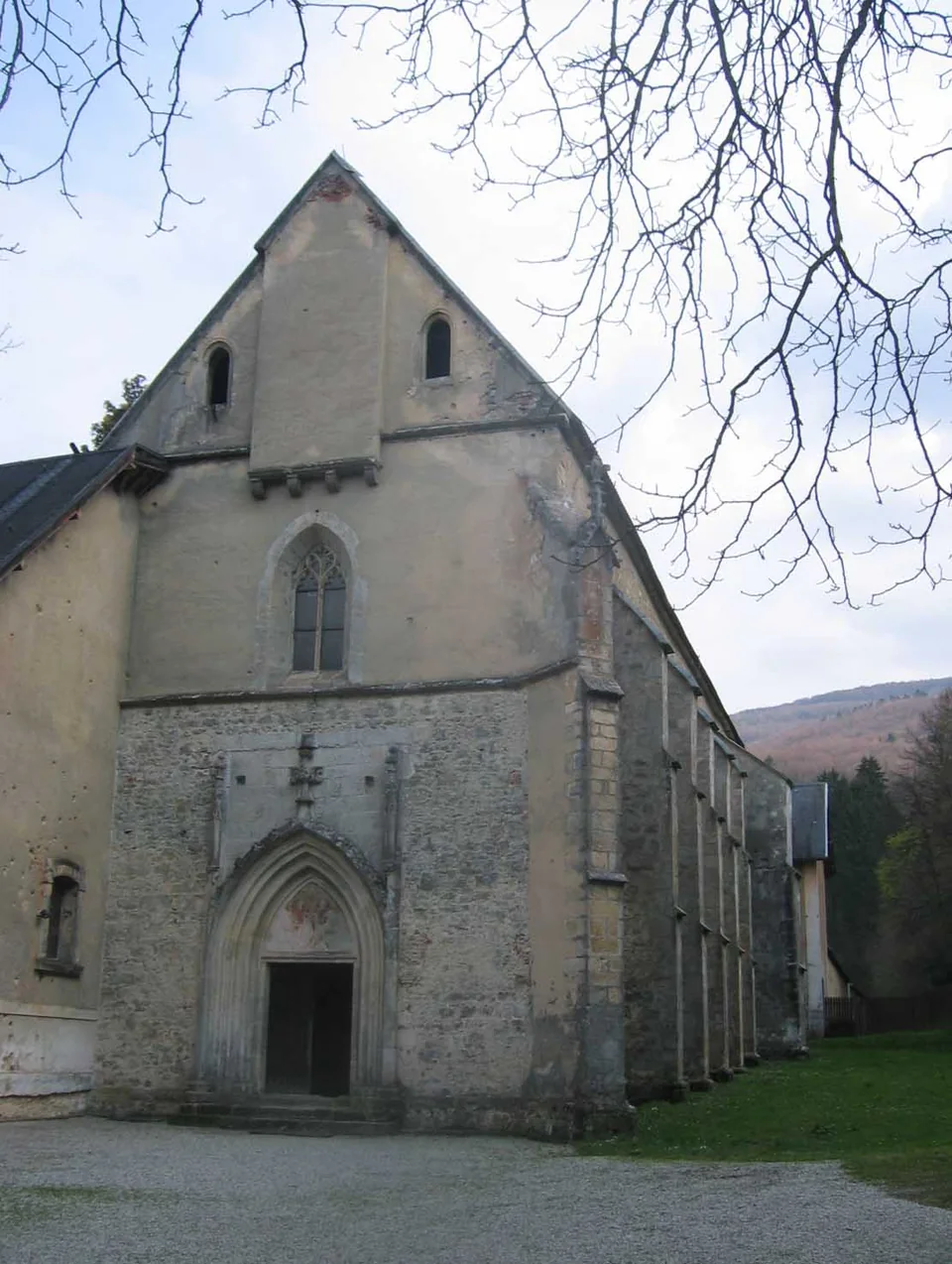
The Carthusian tradition places silence and contemplation at the centre of life. The enclosed monastery is not open to visitors; the old Gothic church and visitor presentation offer an introduction without disturbing the community.
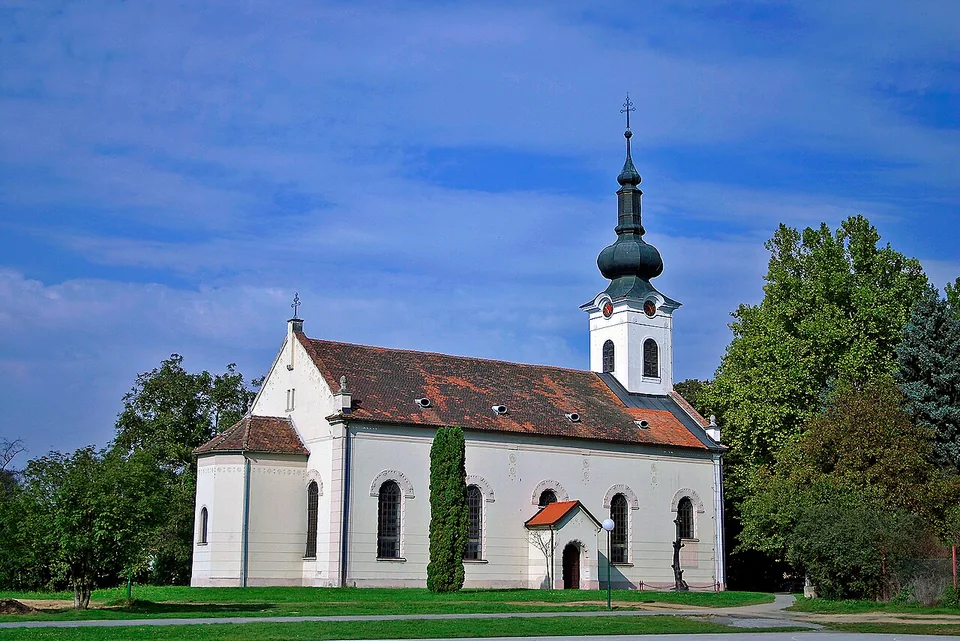
Evangelical Lutheran churches and communities preserve a living Protestant tradition. The region provides a valuable setting for understanding the Reformation and its lasting place in Slovenian culture.
Catholic life influenced architecture, painting, sculpture, education, folk customs and pilgrimage. A church can be read as a place of worship and as a record of the craftspeople, patrons and communities who shaped it.
Protestant reformers gave Slovenian print and the literary language a decisive impetus. Trubar, Dalmatin and Bohorič show how religious conviction, education and cultural awareness became closely connected. Exploring both traditions gives a fuller understanding of the country today.
We welcome pilgrims, religious groups and individual visitors interested in European Christian history and art. With more than 25 years of guiding experience and a background in history and geography, Rok Jarc connects individual monuments with their wider context. Start with the existing Ptuj and Ptujska Gora tour or enquire about a tailored itinerary. Religious services, opening arrangements, group visits and any private transport are coordinated in advance; a visit does not imply admission to enclosed monastic areas.
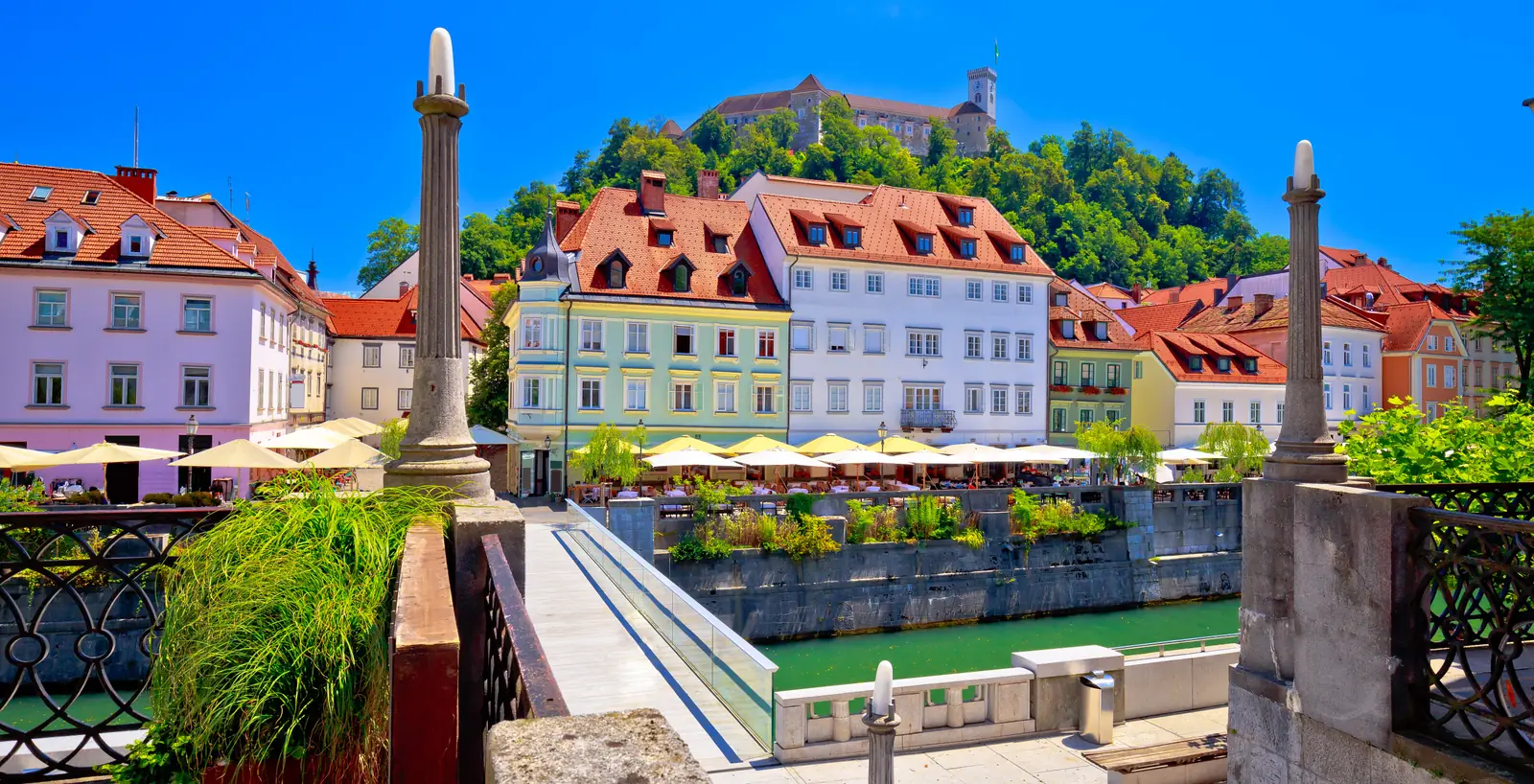
Private Walking Tour with a Local Guide — Castle, Plečnik & the Old Town
140 € / private group
2 h
Book Now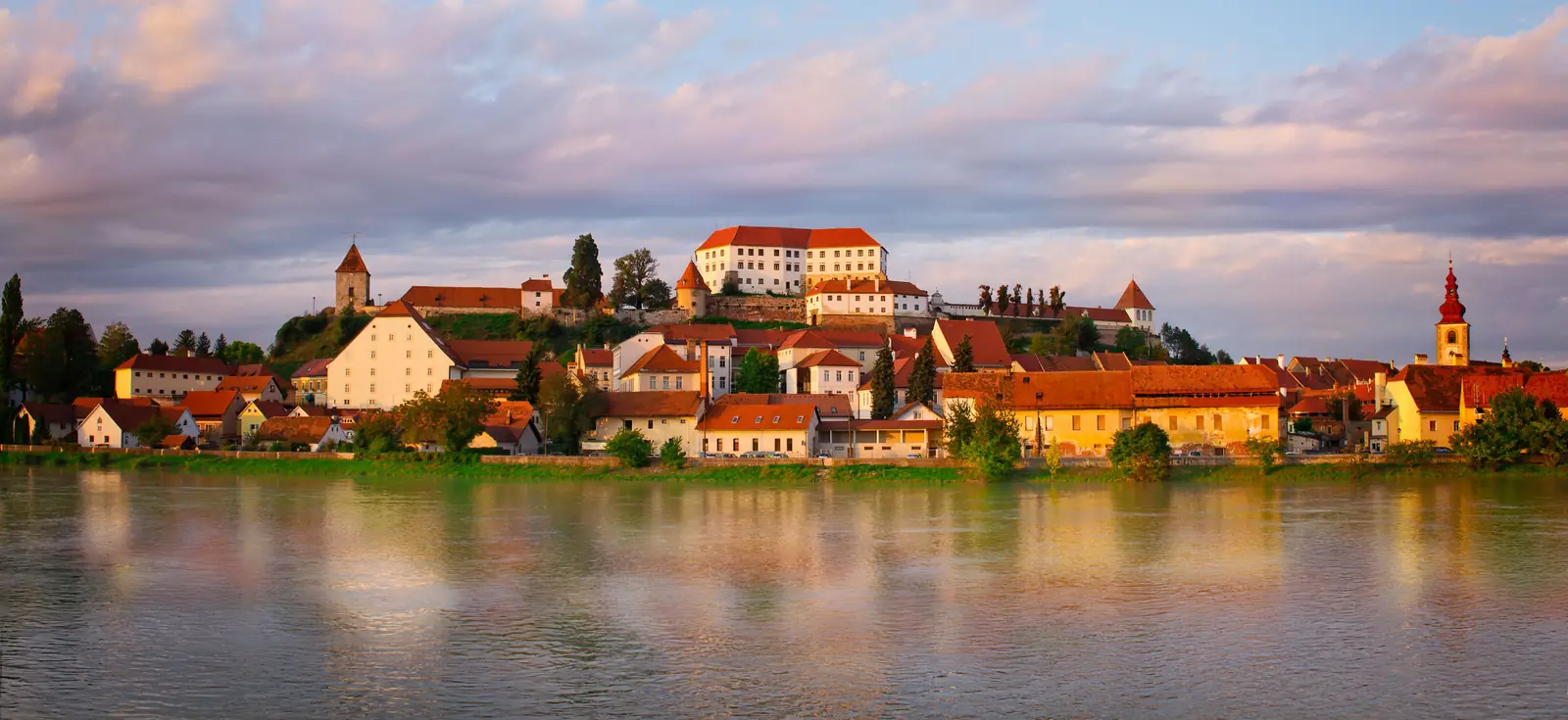
Medieval Splendor & Gothic Artistry: Ptuj & Ptujska Gora
610 € / private group
10 h
Book Now
The Land of a Thousand Hills and the Green Krka River — Where Time Finds Its Flow
550 € / private group
8 h
Book Now
per day · guide only
290 € / private group
9 h
Book Now